Women's Network
ADHD in Women: Understanding your experience
Attention deficit hyperactivity disorder (ADHD) in women is often missed or misunderstood, which can leave you wondering why things feel harder than they should. We’ll help you make sense of what you’re experiencing.

Understanding ADHD in women
ADHD affects how you focus, organise, and handle everyday life. In women, it often presents differently from the more visible signs people expect.
You might notice internal challenges, such as overthinking, feeling overwhelmed, or struggling to stay on top of tasks. These experiences can be easy to overlook, especially if you’ve found ways to manage them over time.
Because of this, ADHD in women can be harder to recognise. You may have developed coping strategies that help you get by, even if things still feel more difficult than they should.
Recognising how ADHD shows up for you is a meaningful first step. From there, you can explore support options that fit your needs, feeling confident in your ability to navigate life with ADHD.
Common signs of ADHD in women
ADHD can show up in ways that aren’t always obvious. For many women, the signs are more internal, which can make them easier to overlook or explain away.
You might notice:
- Difficulty staying organised or managing time,
- feeling overwhelmed by everyday tasks,
- forgetfulness or losing track of things,
- emotional sensitivity or mood changes,
- periods of intense focus followed by burnout, and
- struggling to switch off or relax.
You may relate to several of these, or only a few. ADHD presents differently for everyone, and your experience is valid.
Why ADHD is often missed in women
ADHD in women is often overlooked, which means many go years without clear answers.
Symptoms can be less visible. Instead of outward hyperactivity, you may experience internal challenges, such as overthinking, emotional overwhelm or difficulty staying organised.

You may also have developed ways to cope, which can make ADHD harder to recognise. Research has historically focused more on boys and men, so how ADHD presents in girls and women hasn’t always been fully understood.
If you’ve been described as disorganised, anxious, or someone who’s trying too hard, it can feel frustrating. There may be a reason behind how you’ve been feeling.
Masking and coping strategies
Many girls and women with ADHD develop ways to manage their challenges, which can make them less visible. One of the most common is masking. This is when you hide or adjust ADHD traits to meet expectations at school, work or in relationships.
You might overprepare, work longer hours, or carefully manage how you come across in social settings. You may also push through exhaustion or rely on routines to stay in control.
These strategies can help in the short term, but over time, they can lead to burnout and stress.
Understanding how you cope is an important step. We’ll help you recognise what supports you, what drains your energy, and where small changes could make things feel more manageable.
Hormones, life stages and ADHD
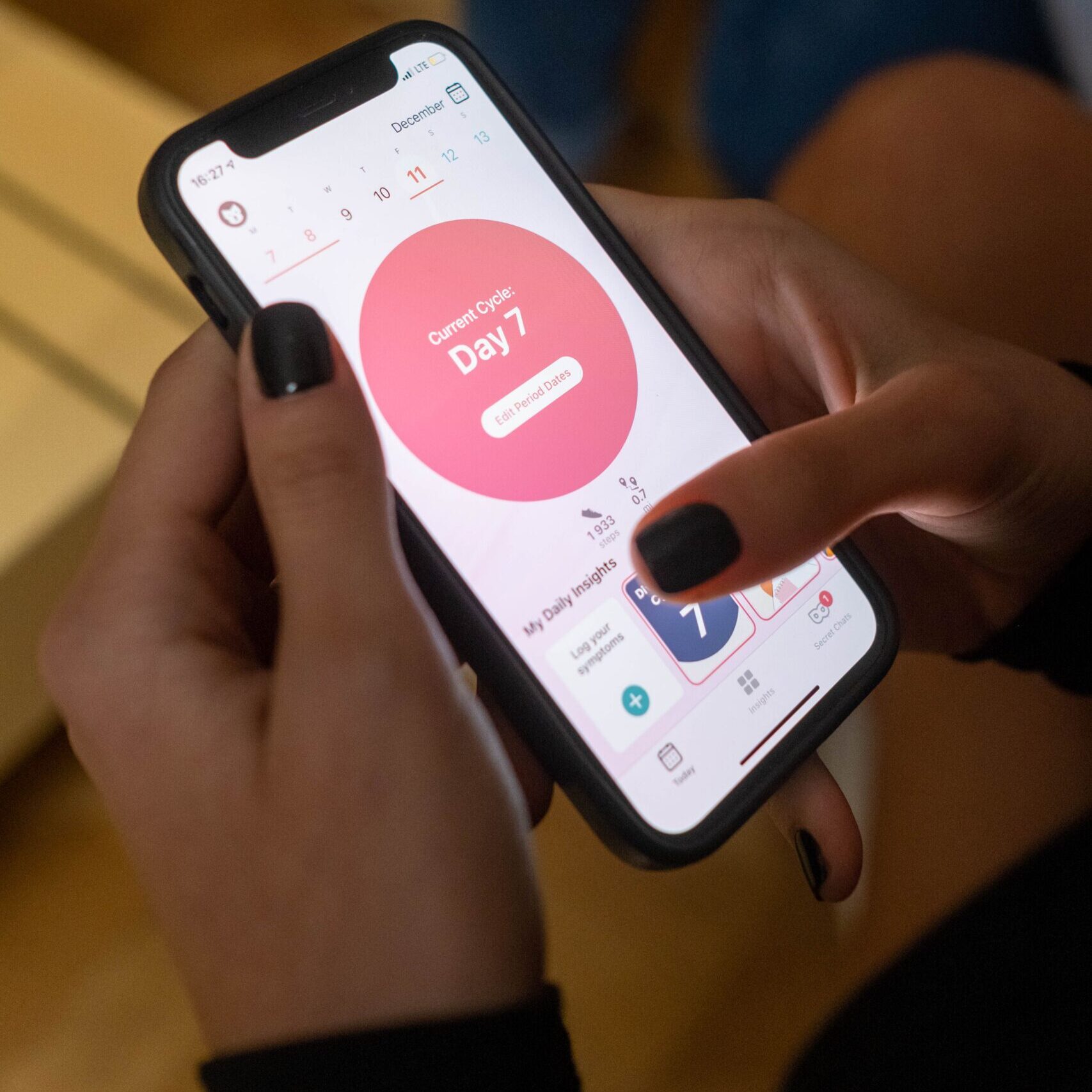
ADHD can change over time. For many women, hormones are thought to play a key role in that. As your body moves through different stages of life, shifts in hormone levels may affect focus, mood, energy, and emotional regulation.
Hormonal changes and ADHD
You might notice changes during your menstrual cycle, pregnancy, after having a baby, or through perimenopause and menopause. At these times, symptoms can feel more intense or less predictable than usual.
How ADHD can show up across life stages
As your life changes, the way ADHD affects you can shift too.
In education, you may have found it harder to stay organised or manage deadlines, even when you were putting in effort. In your career, staying on top of tasks and maintaining focus can feel challenging, especially in busy environments.

If you’re a parent, balancing routines and the mental load of family life can feel overwhelming.
During menopause, changes in memory and concentration can make ADHD more noticeable again.
When you look at the full picture, these patterns often start to make more sense. We can help you understand these changes, so you can feel more in control and find ways to manage ADHD that work for you.
Getting an ADHD diagnosis

Seeking an ADHD assessment can help you understand how your brain works and why certain things may have felt difficult over time. For many women, it’s the moment where everything starts to make sense.
The process is designed to build a full picture of your experience. You’ll talk through your symptoms, your history, and how ADHD may be affecting different areas of your life. This helps ensure any diagnosis reflects you as an individual.
If you receive a diagnosis, the next step is to explore what support could help. This may include treatment, practical strategies, and ongoing care tailored to your needs.
Taking that first step can feel significant, but it can also open the door to confidence and moving forward.
Resources, tools, and real stories of ADHD in women
Hearing real experiences and exploring practical tools can help you understand how ADHD shows up in your day-to-day life.
We’ve brought together a range of resources designed to give you insight, guidance, and reassurance as you move forward.
- ADHD and the menstrual cycle →
Learn how hormonal changes during your menstrual cycle can affect ADHD symptoms and treatment. - ‘Nothing but a dreamer’ – ADHD and women →
Explores why ADHD in women has often been missed or underdiagnosed. - Loose Women: diagnosing Nadia Sawalha →
A national TV feature following her ADHD assessment journey with ADHD360 clinician Rebecca Whelan - Explore our latest webinars, interviews and educational resources →
Including practical insight and advice from ADHD specialists and lived experiences.
Take the next step towards understanding your ADHD
ADHD in women is more common than many people realise, even if it hasn’t always been widely recognised or discussed. If things are starting to make sense now, you’re not the only one who’s felt this way.With the right understanding and support, you can find approaches that work for you. We’re here to help you take that next step.
Start your ADHD Journey →